

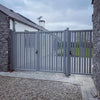
When considering materials for gates, aluminium stands out for its unique blend of advantages compared to steel, wood, and composite alternatives. At NEAT, we often recommend aluminium for customers who want a material that excels in durability, flexibility, and maintenance ease. Here’s a deeper dive into why aluminium has become the top choice for modern gates.
One of the most significant advantages of aluminium is its strength-to-weight ratio. Unlike steel, which is much heavier, aluminium provides the structural integrity needed for gates without the burden of excess weight. This lighter weight reduces strain on gate automation systems, which is particularly important in larger installations where frequent use could wear down components. Steel, while strong, requires more robust motor systems to function smoothly over time, driving up the cost of ownership due to the need for heavy-duty parts and higher energy consumption.
Aluminium’s resistance to corrosion also sets it apart from steel. Steel, when exposed to moisture or salty environments, tends to rust unless heavily treated or galvanized. Even then, the longevity of steel can be compromised, requiring regular treatments to keep corrosion at bay. Aluminium, on the other hand, forms a natural oxide layer when exposed to air. This layer protects it from rust and corrosion, making aluminium an excellent option for homes in coastal areas or regions with high humidity. In fact, even minimal maintenance ensures that aluminium gates retain their finish and performance over the years, something that steel cannot offer without significant upkeep.
Wood has long been a traditional choice for gates due to its natural beauty and warmth, but it comes with its own set of challenges. One of the primary drawbacks of wood is its susceptibility to the elements. Wood, if not treated properly, can warp, rot, or crack when exposed to moisture, temperature changes, and direct sunlight. Even with treatment, wood gates require regular maintenance, including sanding, staining, or painting, to prevent deterioration. This can be a costly and time-consuming commitment for homeowners who desire a long-lasting gate. Additionally, wood gates are often heavier than aluminium ones, placing greater demand on the hardware and mechanical systems needed to operate them. While wood might initially appear to be a cost-effective option, the ongoing expenses for maintenance and repairs can accumulate, making aluminium a more economically sound long-term investment.
Composite materials, a relatively newer option in gate construction, attempt to blend the advantages of various materials. Typically, composite gates are made of recycled wood fibres and plastics, designed to mimic the appearance of wood without its inherent drawbacks. However, while composite materials offer some resistance to the elements, they still don’t match the resilience of aluminium. Composites can become brittle over time, especially under extreme weather conditions, leading to cracking or fading. Furthermore, composites do not offer the same level of structural strength as aluminium, meaning they may require additional support or reinforcement, which could lead to higher initial installation costs.
Aluminium, by contrast, is incredibly versatile in terms of aesthetics and design. NEAT offers aluminium gates that can be customized to mimic various materials, including wood, without the accompanying maintenance demands. Whether you’re looking for a sleek, modern design or a more traditional style, aluminium can be coated or textured to suit your specific tastes. Unlike composite materials, which may fade or lose their lustre over time, aluminium finishes are designed to be durable and long-lasting, retaining their colour and appeal for years without the need for repainting or refinishing.
In terms of environmental impact, aluminium is also a highly sustainable option. It is 100% recyclable, meaning that old gates can be repurposed without contributing to landfill waste. This recyclability gives aluminium a distinct advantage over both steel and composite materials, which can be more difficult to recycle due to their composition or coatings. The process of recycling aluminium requires significantly less energy than producing new aluminium from raw materials, further reducing the carbon footprint associated with its production. For homeowners looking to make environmentally conscious choices, aluminium gates provide a clear path to sustainability without sacrificing performance or style.
Another benefit of aluminium is its ease of installation. Due to its lighter weight, aluminium gates can be installed more quickly and with less heavy machinery compared to steel or even wood. This translates to lower installation costs and faster project completion times. Whether you’re opting for manual gates or fully automated systems, the flexibility of aluminium means it can be adapted to a variety of configurations with minimal fuss. This versatility in both function and form makes aluminium the ideal material for gate installations that need to balance aesthetics, functionality, and cost-efficiency.
Ultimately, aluminium is the material of choice for customers seeking a long-lasting, low-maintenance, and aesthetically versatile solution for their gates. While steel, wood, and composite materials each have their merits, none provide the same combination of strength, resilience, and ease of care that aluminium offers. At NEAT, we stand by the use of aluminium in our gates because we understand the value it brings to our customers — a material that meets the demands of modern living without compromise. Whether for residential or commercial applications, aluminium gates are a smart investment that will continue to deliver benefits for years to come.


